Alienum phaedrum torquatos nec eu, vis detraxit periculis ex, nihil expetendis in mei. Mei an pericula euripidis, hinc partem.
[vc_empty_space height="10px"]
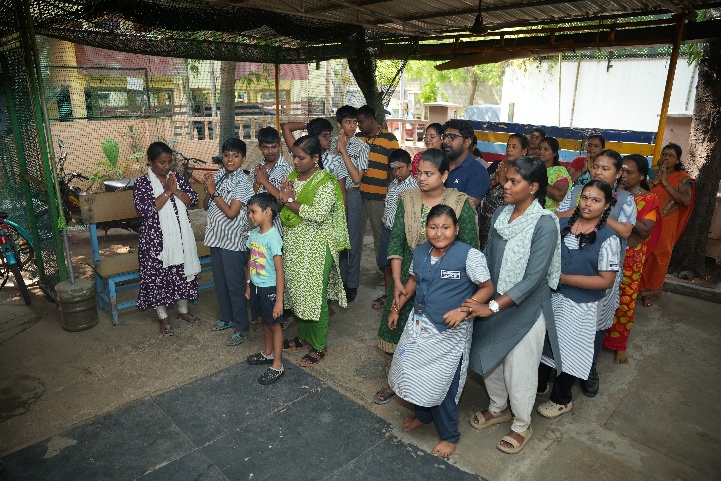
The Thiruvanmiyur Centre caters to children aged 5 to 17 years, focusing on structured education, functional skill development, and early work readiness.
The centre is designed to help students move beyond basic learning into applied skills, routine building, and meaningful participation, with a strong emphasis on in-house employment exposure.
Programs Offered
Primary I
Primary II
Primary III
Pre-Vocational
Special Education Domains
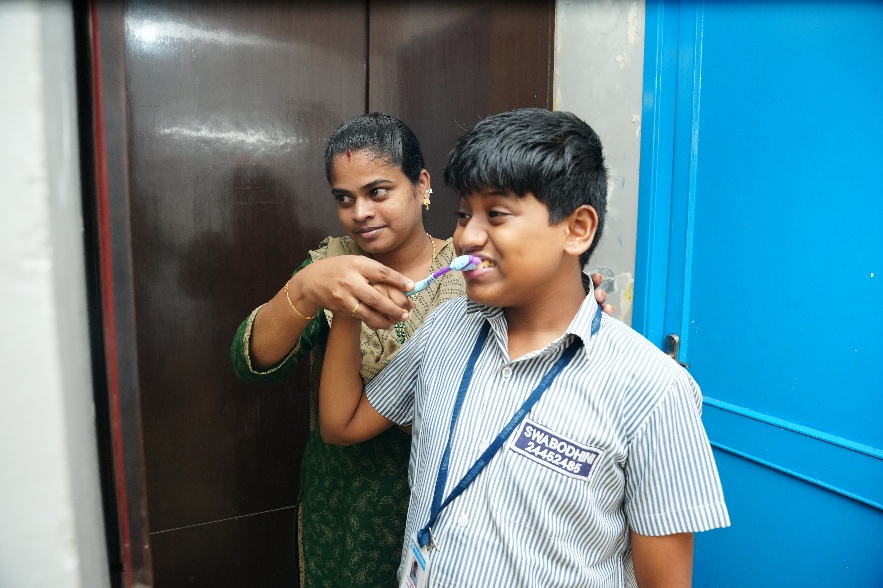
Activities of Daily Living (ADL)
Students are trained to perform daily routines with increasing independence, including personal hygiene, grooming, eating, and self-management. The focus is on consistency, independence, and reducing dependence on support.
Social Behaviour
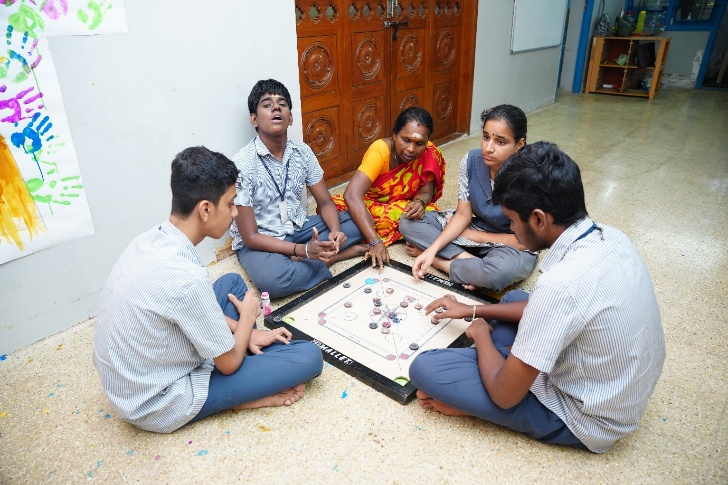
Children are guided to develop appropriate social interaction skills, including turn-taking, responding to instructions, understanding boundaries, and interacting confidently with peers and adults in structured settings.
Community Integration & Life Skills
Students are prepared to handle real-life situations, such as following routines, understanding surroundings, and participating in simple community-based activities with guidance.
Functional Literacy
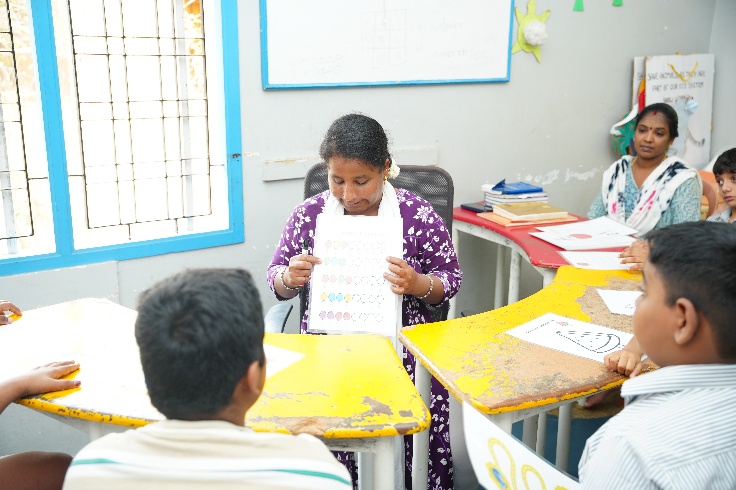
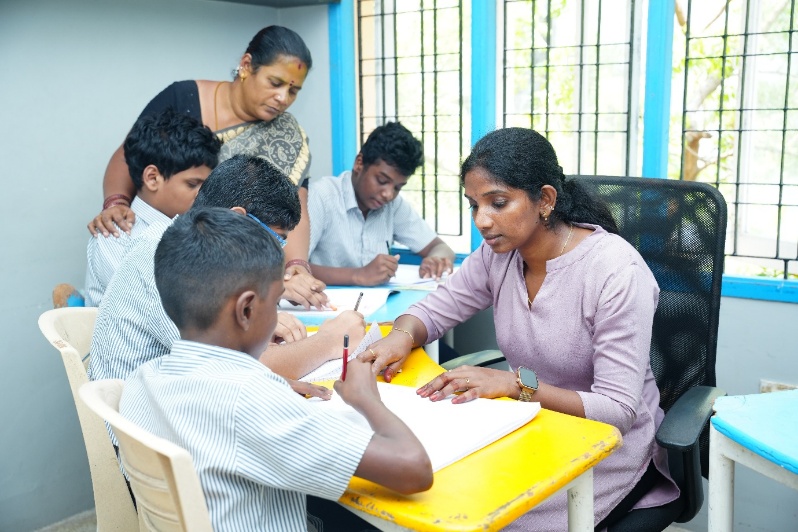
Learning is oriented towards practical application, including reading basic words, recognizing numbers, and understanding concepts that support daily functioning and task completion.
Creative Expression & Artistic Development
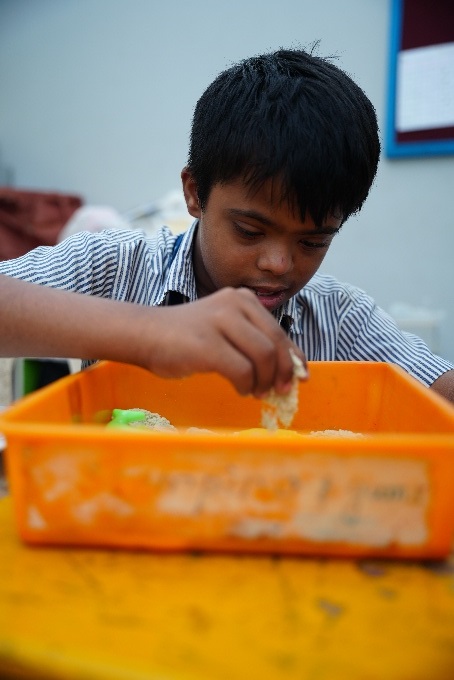
Creative activities are used to enhance focus, task engagement, and self-expression, while also supporting fine motor development and structured participation.
Therapies at Thiruvanmiyur Centre
(Integrated, Functional & Goal-Oriented Support)
At the Thiruvanmiyur Centre, therapies are not delivered in isolation — they are closely integrated with classroom learning and pre-vocational activities. Each therapy program is individualized, with goals aligned to improve the child’s independence, participation, and real-life functioning.
Speech Therapy
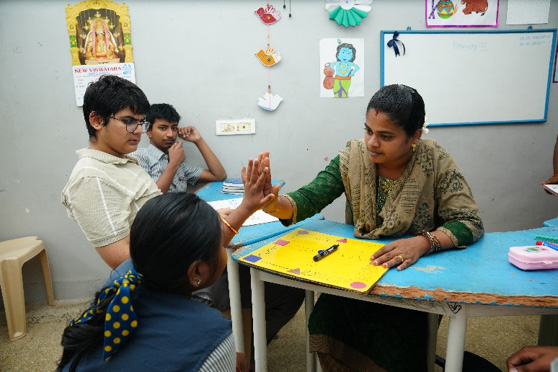
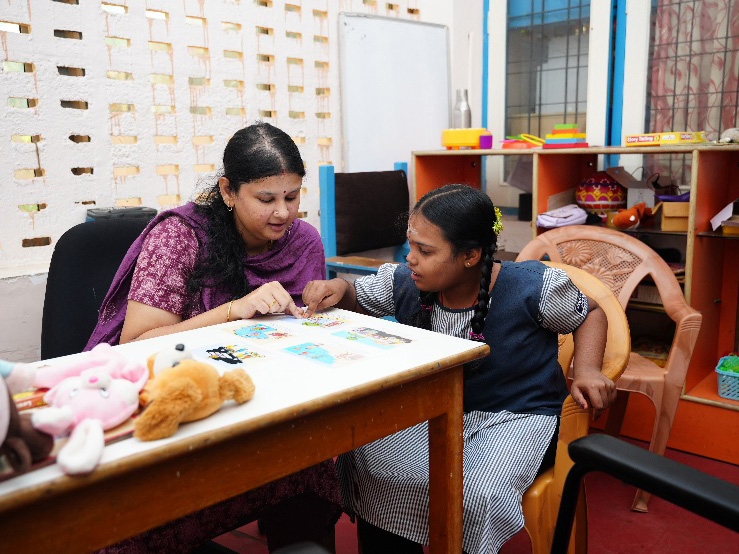
Speech Therapy focuses on developing functional communication skills that help students express their needs, understand instructions, and interact effectively in daily life.
Key Focus Areas
Improving understanding of language (receptive skills)
Developing expressive communication (verbal or alternative modes)
Enhancing speech clarity and articulation
Building sentence formation and meaningful communication
Encouraging social communication and interaction skills
Approach
Therapy is activity-based and linked to classroom and vocational contexts, helping students use communication in real situations, not just within sessions.
Occupational Therapy
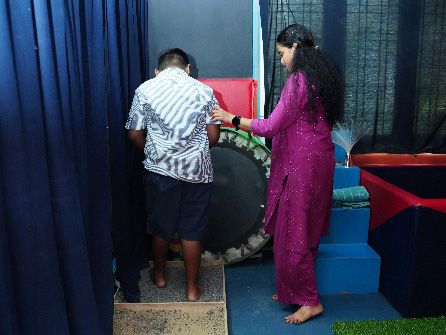
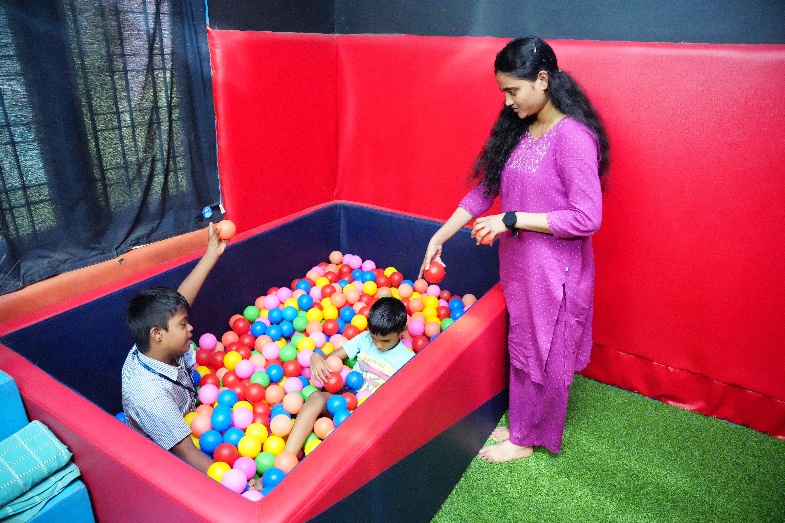
Occupational Therapy supports students in developing the motor, sensory, and functional skills required for independence and task performance.
Key Focus Areas
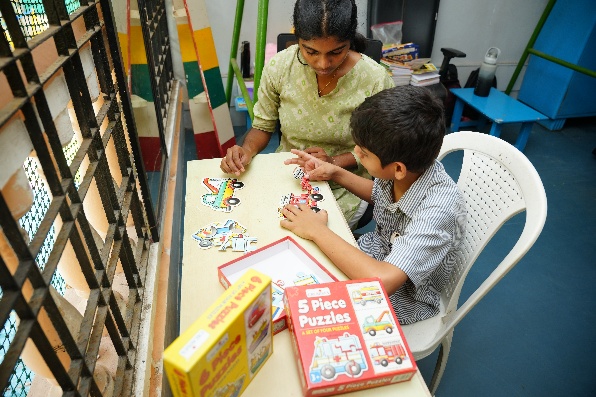
Fine motor skills (grasp, writing readiness, manipulation)
Hand-eye coordination
Sensory processing and regulation
Attention span and sitting tolerance
Task initiation and completion
Functional Integration
Skills developed in therapy are directly applied to:
This ensures carryover of skills into everyday functioning.
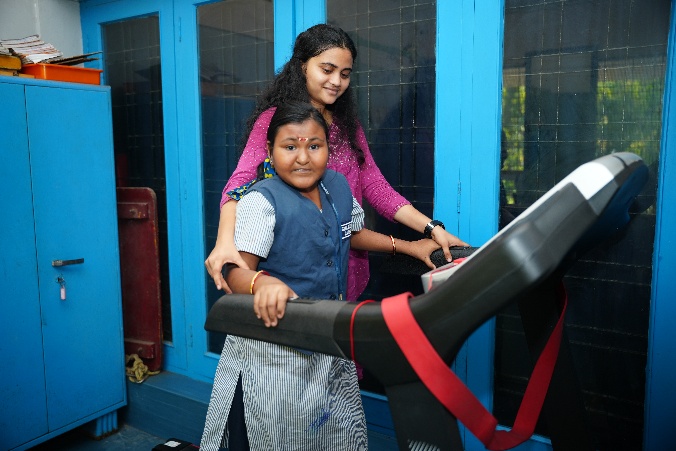
Physical Training
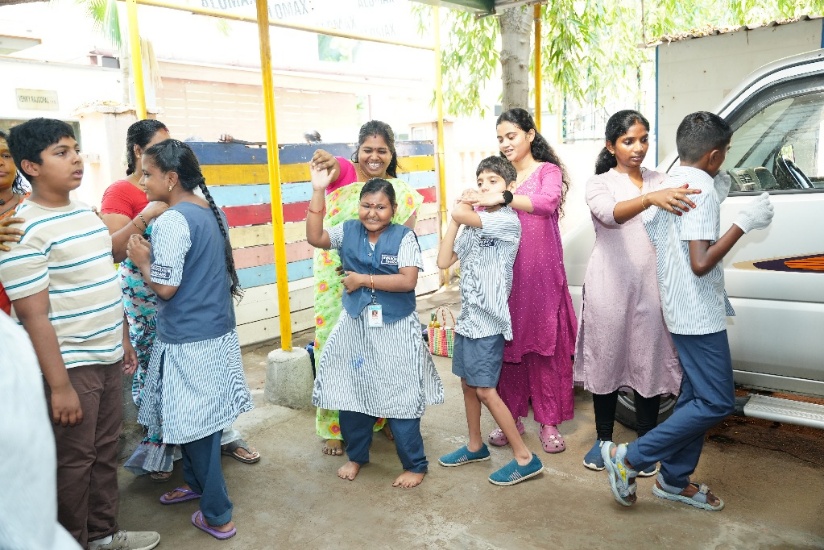
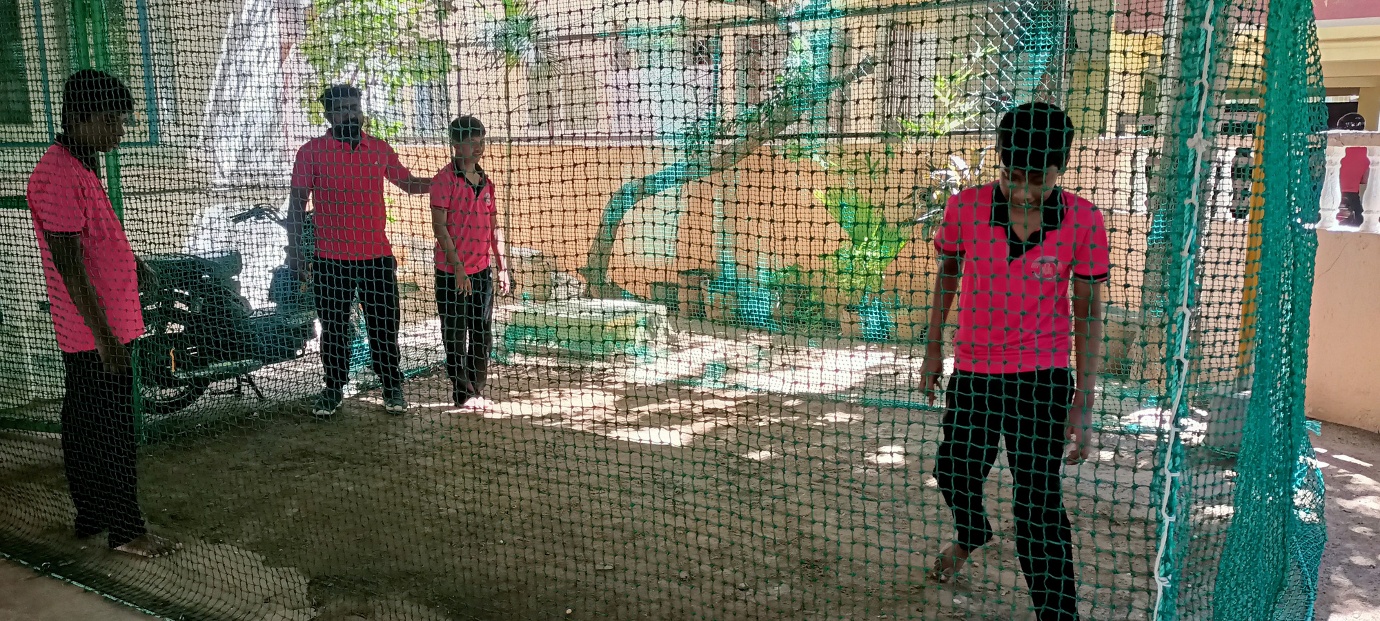
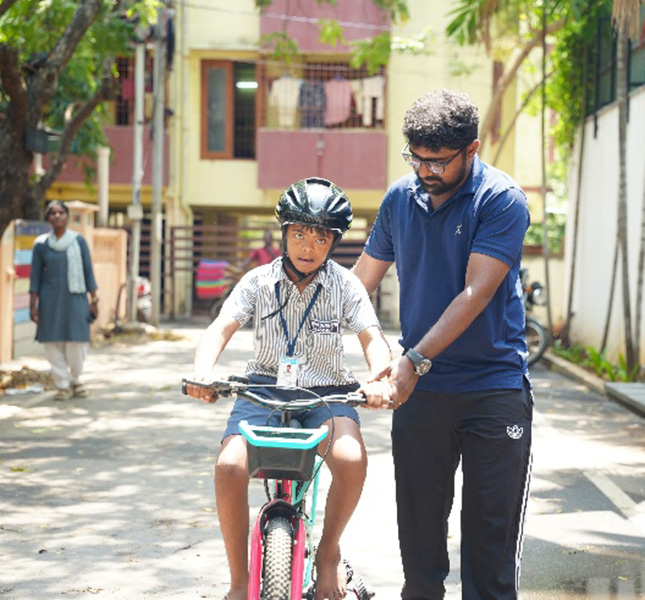
Physical Training is designed to improve overall physical development and stamina, enabling students to participate actively in daily routines and work-related tasks.
Key Focus Areas
Balance and coordination
Muscle strength and endurance
Gross motor skills (walking, jumping, posture)
Body awareness and movement control
Outcome
Improved physical readiness helps students:
Sit and work for longer durations
Perform tasks with better control
Participate confidently in group and work activities
Yoga
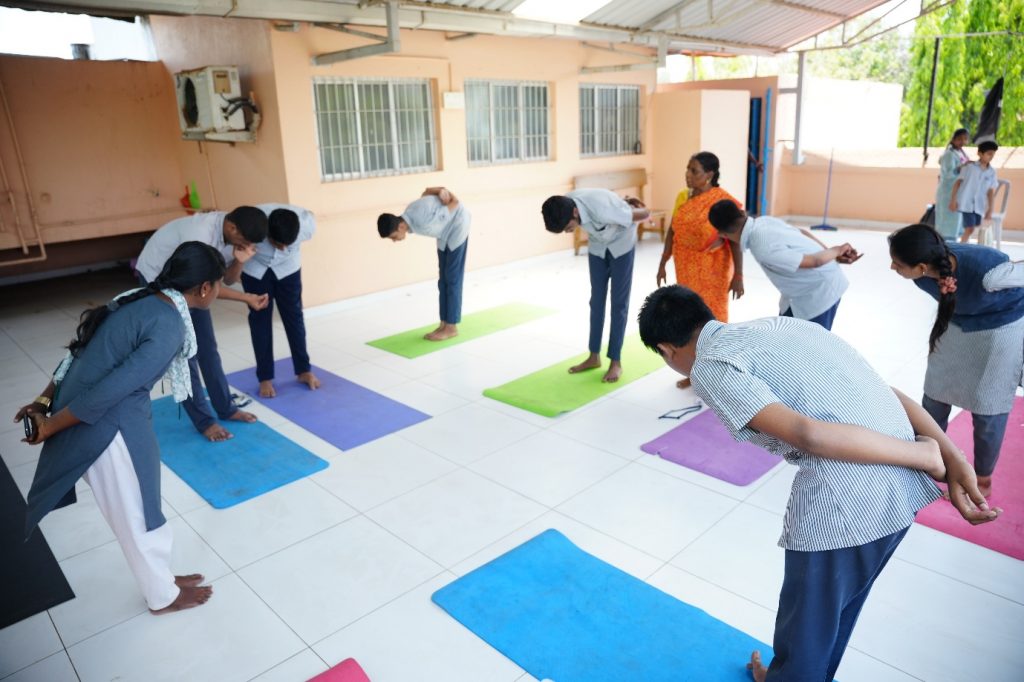
Yoga is incorporated as a structured practice to support emotional regulation, focus, and body awareness.
Key Focus Areas
Improving attention and concentration
Calming the body and mind
Enhancing flexibility and posture
Developing routine and discipline
Approach
Simple, adaptive yoga practices are used, ensuring accessibility for all students regardless of ability level.
Music Therapy
Music Therapy is used as a powerful medium to enhance engagement, communication, and emotional expression.
Key Focus Areas
Improving listening and attention
Encouraging participation and interaction
Developing rhythm and coordination
Supporting emotional expression
Functional Use
Music is also used to:
Reinforce routines
Improve group participation
Support transitions between activities
Our Therapy Approach
Individualized goal setting based on assessment
Integration with educational and pre-vocational programs
Regular monitoring and progress reviews
Focus on functional, real-life outcomes rather than isolated skills
Outcome of Therapy Integration
Through consistent and structured therapy support, students are able to:
Communicate more effectively
Perform daily activities with greater independence
Improve attention, behaviour, and participation
Develop readiness for vocational training and structured work environments
Pre-Vocational Training
At this stage, students are trained in basic work behaviours and readiness skills, such as:
Following instructions
Completing structured tasks
Maintaining attention
Understanding responsibility
In-House Employment Model (Key Strength)
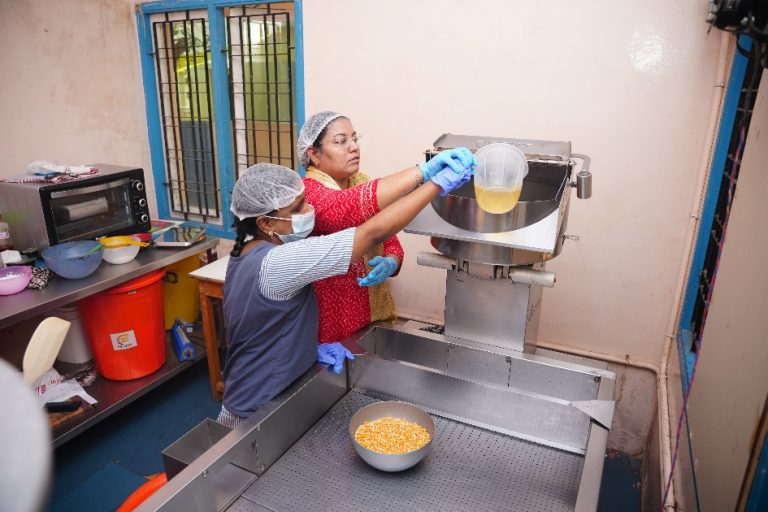
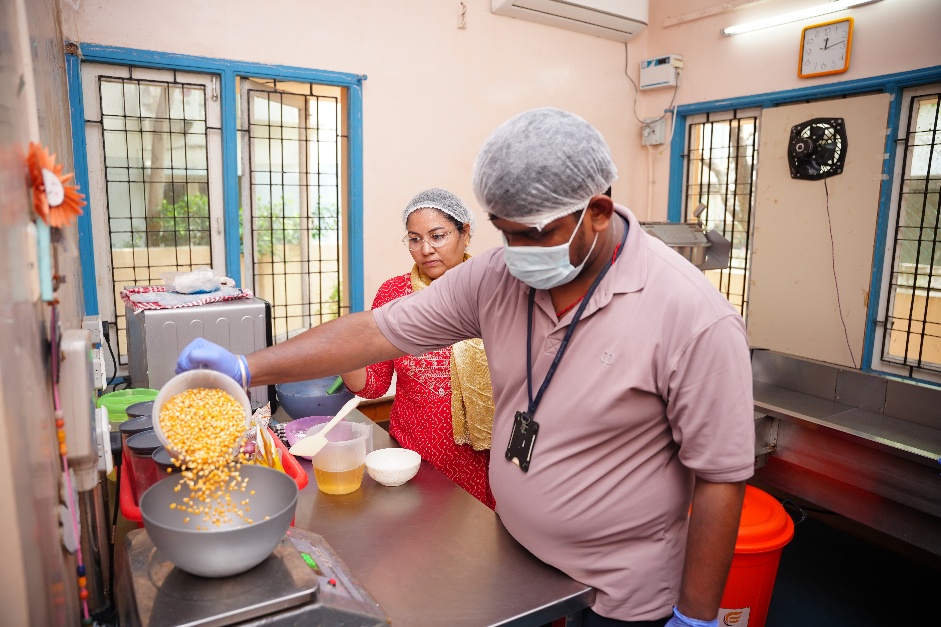
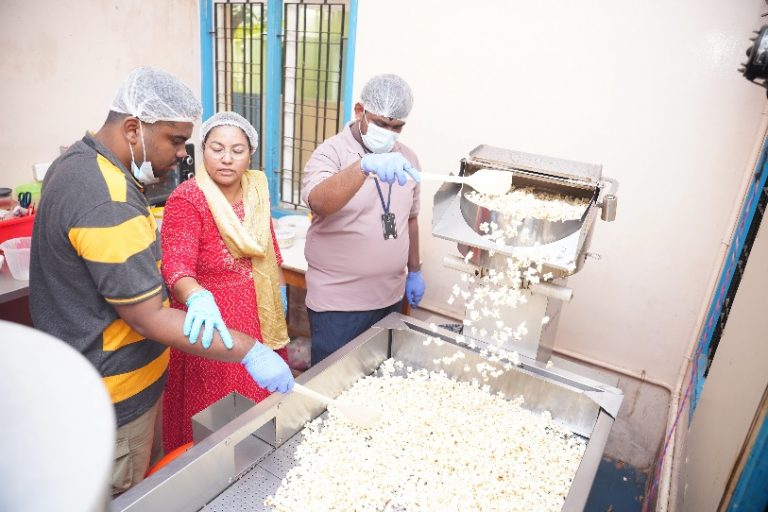
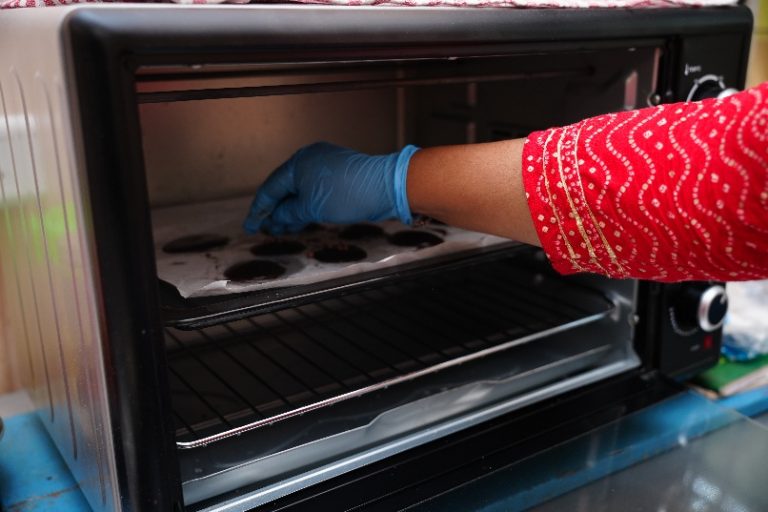
A defining feature of the Thiruvanmiyur Centre is its in-house employment training units, where students gain hands-on practical experience.
Training Units
Popcorn Unit
Baking Unit
Student Involvement
Students participate in:
Preparation processes
Simple production tasks
Packaging and handling
Products include:
Popcorn
Brownies
Cookies
Outcome Focus
This model helps students:
Understand real work environments
Build confidence and responsibility
Develop early vocational readiness
Experience the value of productivity
Overall Outcome
The Thiruvanmiyur Centre prepares students to:
Become more independent in daily life
Participate actively in structured environments
Develop foundational work skills
Transition smoothly into higher vocational training when appropriate