


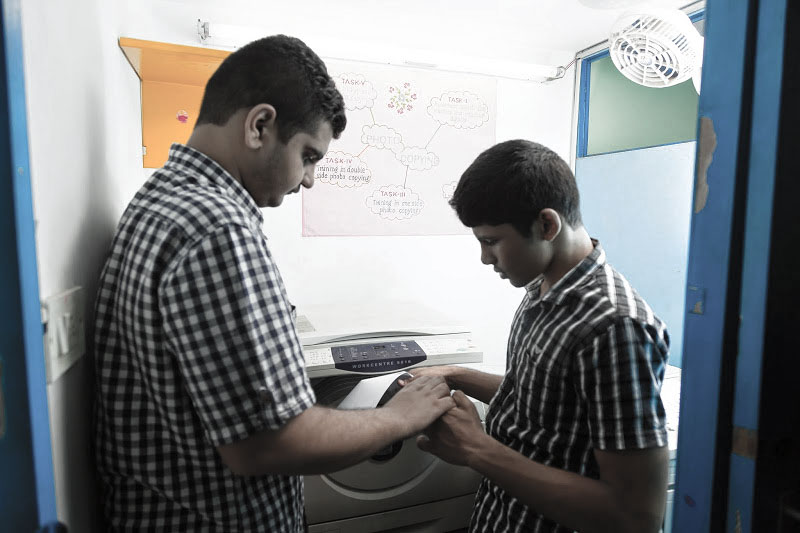
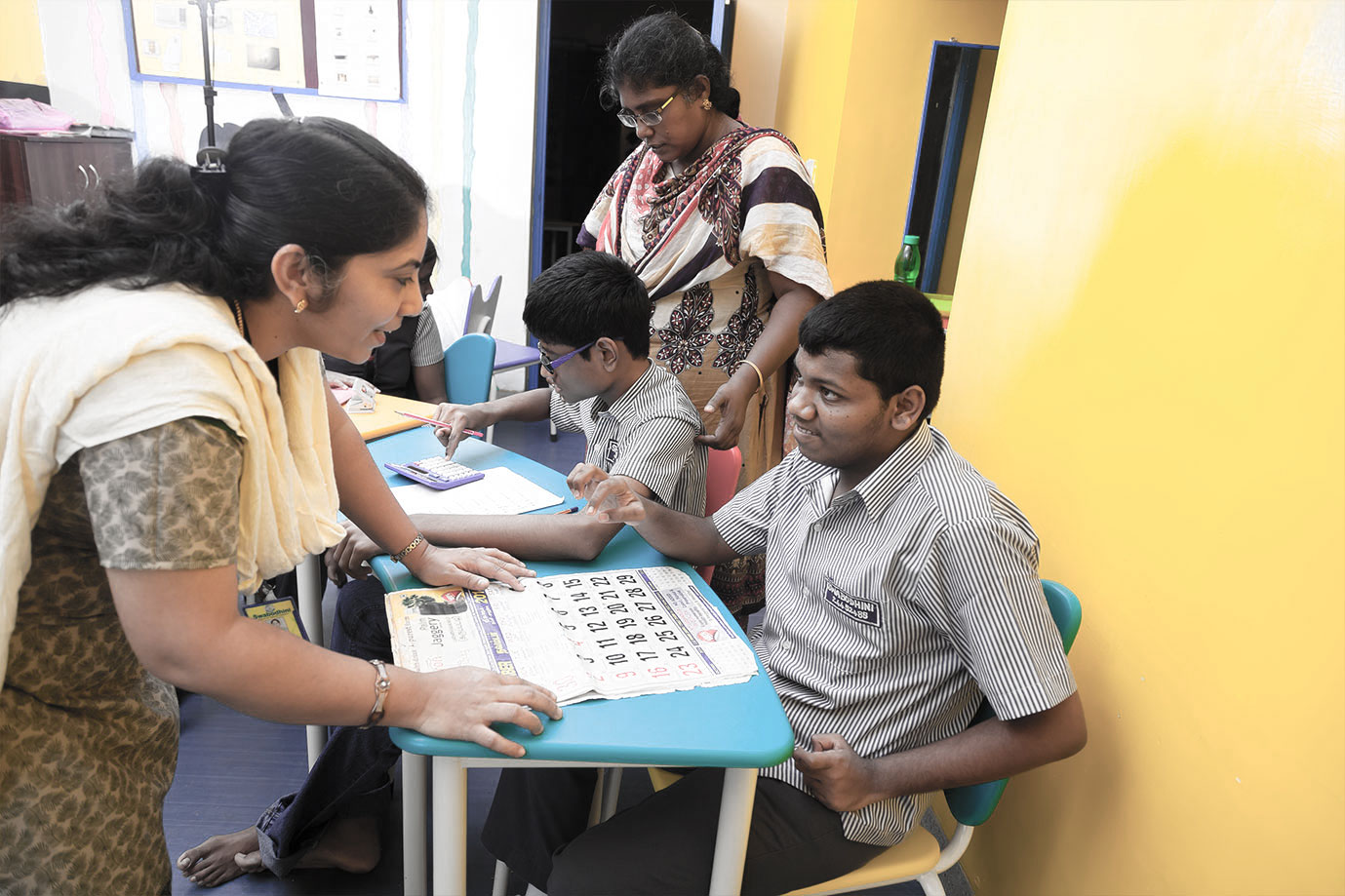
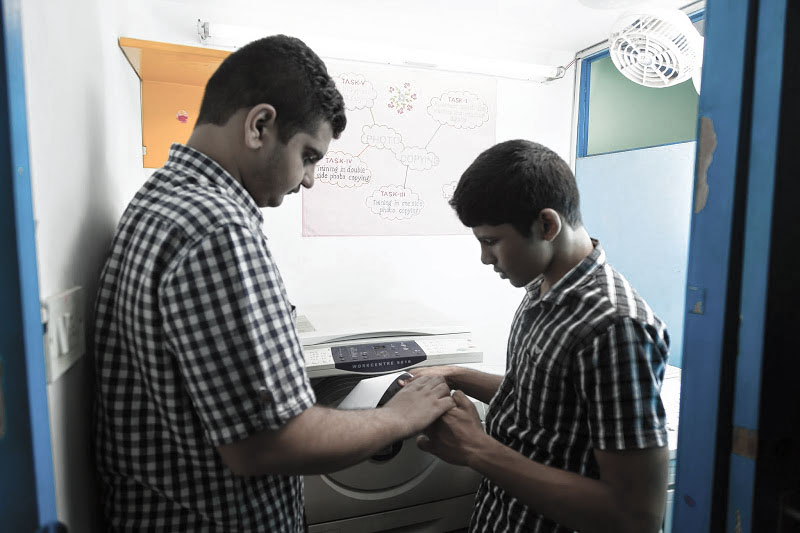
Your child may have difficulty understanding and using spoken language due to their underlying condition. When speaking to your child, you are encouraged to support your communication with gestures (e.g. Pointing to objects, key word sign), pictures (e.g. books), and body language (e.g. facial expression, body posture). Your child will have a better understanding of your message when you deliver it both verbally and non-verbally. They may also adopt these means of non-verbal communication to enhance the clarity of their communication.
We see students with a variety of speech, language and communication difficulties that may or may not have resulted from their underlying diagnoses such as Autism Spectrum Disorder, Global Developmental Delay and Intellectual disability. These children first undergo an assessment to identify areas in which they are either not developing at the same level as children their age are, or have significant difficulties that impact their functioning in daily life.